
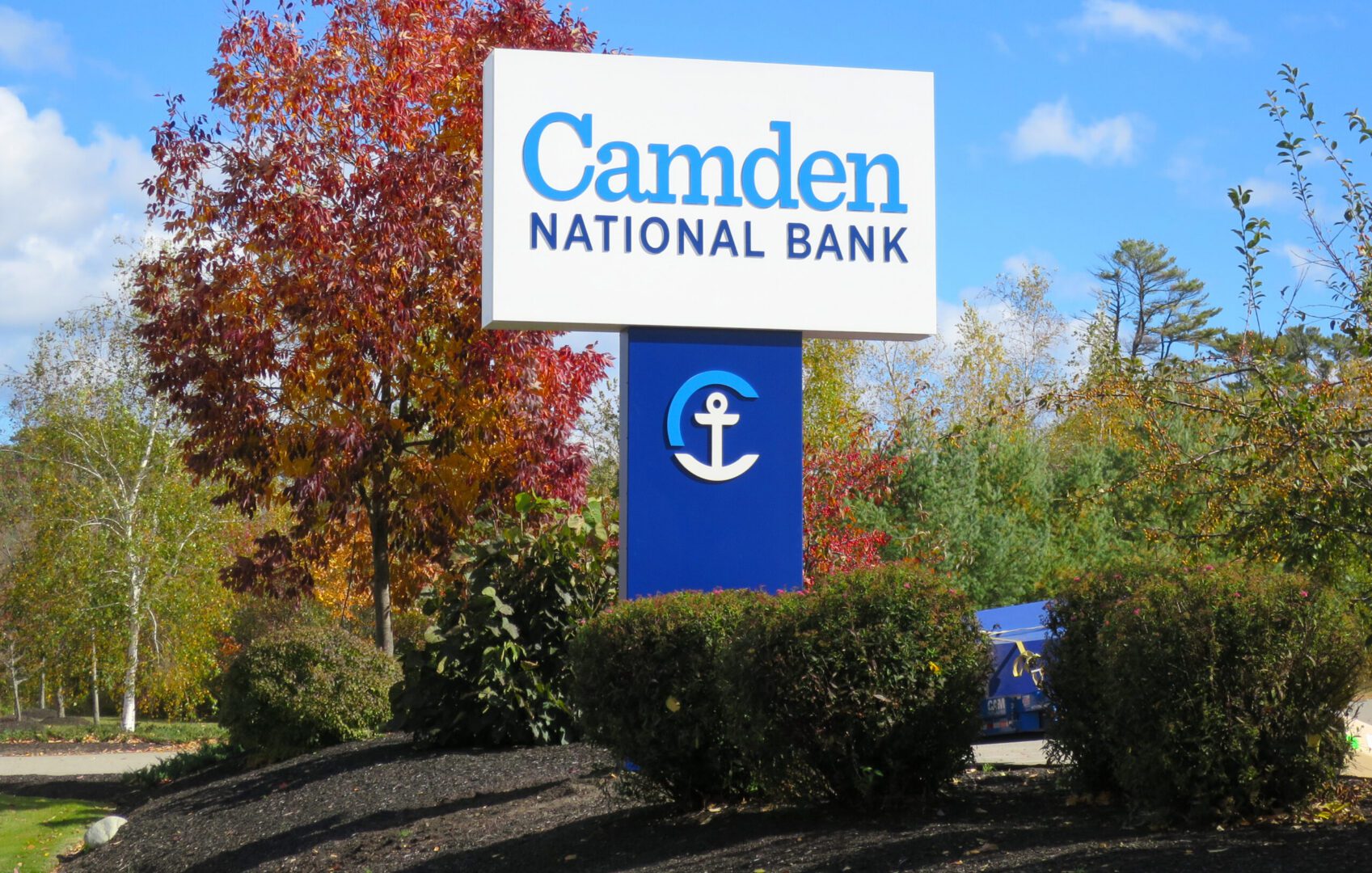
What Makes Northern New England Signage Unique?
Exterior signage in Northern New England operates under a distinct set of environmental, regulatory, and cultural conditions. Projects in Maine and New Hampshire are shaped not only by brand requirements, but by climate, land use patterns, and long-term durability expectations that differ from many other regions of the country.
Understanding these factors early changes how signage is designed, engineered, and maintained over time.
Climate Is Not a Secondary Consideration
Northern New England experiences wide seasonal variation. Snow loads, freeze-thaw cycles, coastal moisture, inland temperature swings, and periodic wind exposure all influence how exterior signs perform. Materials that function adequately in milder climates may degrade more quickly under these conditions if not specified correctly.
For freestanding signs, frost depth and soil movement must be considered in foundation design. For illuminated signage, temperature fluctuation and moisture exposure affect electrical components and long-term reliability. Finishes must resist corrosion, ultraviolet exposure, and environmental staining across multiple seasons.
These are not edge cases. They are standard operating conditions in this region. Exterior signage here is expected to remain stable and legible year after year, not just at installation.
Scale and Setting Differ from Dense Urban Markets
Northern New England includes a mix of historic downtowns, suburban corridors, campus environments, industrial sites, and rural properties. Viewing distances and approach speeds vary widely between these settings.
In compact downtown areas, signage must work within tighter zoning limits and architectural review standards. In more open corridors and campus environments, legibility across longer sightlines becomes the primary concern. A sign that appears appropriately scaled in one town may underperform in another if sightlines and traffic patterns differ.
Because many communities in Maine and New Hampshire place a high value on visual character, exterior signage often needs to balance visibility with restraint. Successful projects reinforce architectural context rather than competing with it.
Regulatory Conditions Are Local and Specific
Sign codes in Northern New England are typically municipal rather than statewide, and they vary significantly between towns. Height limits, area calculations, illumination controls, and electronic display restrictions are often tailored to local priorities.
In recent years, lighting regulation has become more defined, particularly regarding brightness control and nighttime operation. Designing within these parameters requires understanding not only what is permitted on paper, but how proposals are reviewed in practice.
Early alignment with local permitting standards reduces redesign and shortens approval timelines. It also ensures that signage remains compliant as regulations evolve.
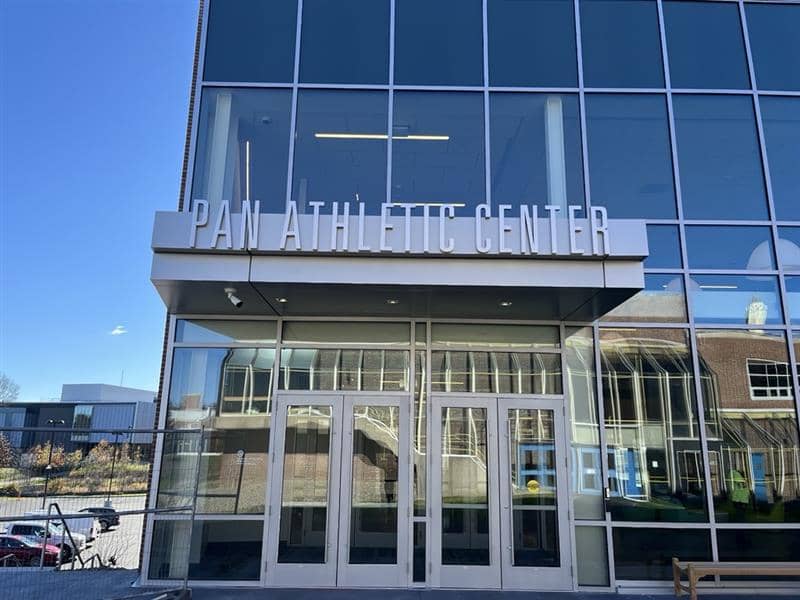
Durability Expectations Are Long-Term
Many properties in this region plan for extended occupancy. Whether institutional, municipal, commercial, or multi-tenant, exterior signage is frequently viewed as a long-term infrastructure element rather than a short-term marketing asset.
This expectation influences material selection, structural detailing, service access, and integration with site planning. Freestanding monument signs, pylons, and integrated electronic components must be engineered for decades of use, not seasonal campaigns.
Lifecycle planning matters here. Serviceability, drainage, access to electrical components, and finish longevity are part of responsible specification.
Regional Character Influences Design Choices
Northern New England architecture often incorporates natural materials, restrained palettes, and a balance between traditional and contemporary forms. Exterior signage that succeeds in this context typically reflects those cues rather than ignoring them.
That does not mean signage must appear rustic or historic. It means that proportion, material transitions, and lighting should feel intentional within the setting. Projects in coastal Maine may require different material considerations than projects in inland New Hampshire, but in both cases, contextual awareness improves long-term acceptance and performance.
Why Context Matters
Exterior signage is not installed in isolation. It exists within public view, subject to environmental exposure and community standards. In Northern New England, those factors tend to favor:
- Structural integrity over temporary solutions
- Controlled illumination rather than excessive brightness
- Material durability across seasons
- Integration with landscape and architecture
When these realities are addressed early, signage projects move more smoothly through permitting and perform more reliably over time.
For a deeper exploration of specific sign types and performance considerations, see our Buying Guides for Monument Signs, Channel Letters, and Electronic Message Centers. Each guide examines design, engineering, and regulatory factors in greater detail.
If you are evaluating an exterior signage project in Maine or New Hampshire and would like to discuss site-specific conditions directly, we welcome that conversation.